
Maya’s Healing Journey on ‘Station 19’
Over the past 21 years, Shondaland has put countless LGBTQ+ characters and storylines front and center on TV — from Callie’s coming-out journey on Grey’s Anatomy to Benedict’s bisexual romances on Bridgerton. For queer viewers around the world, these stories have helped them figure out their identities, celebrate their community, and feel seen for who they really are. This Pride Month, we’re exploring the impact that these stories have had on queer fans.
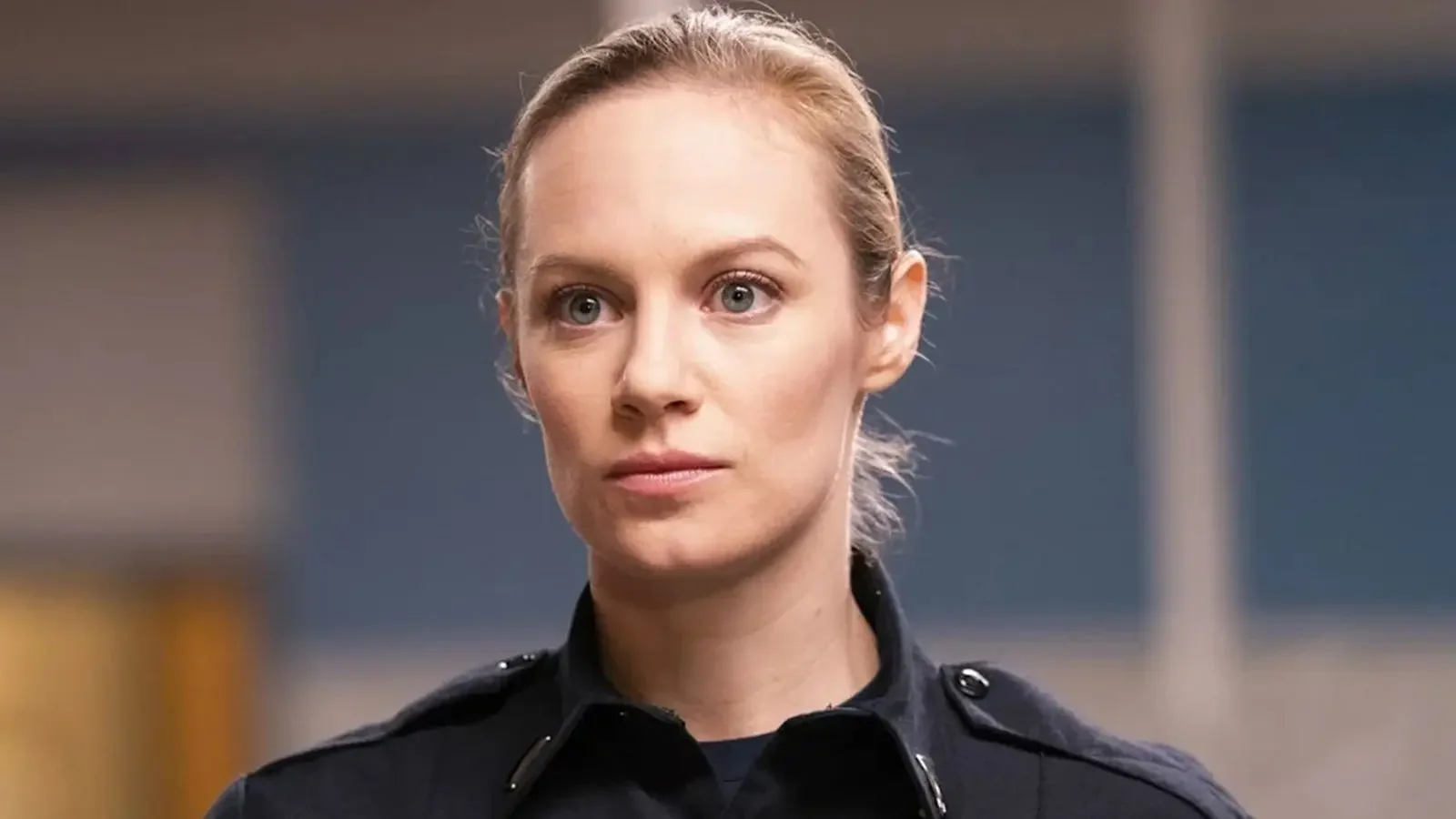
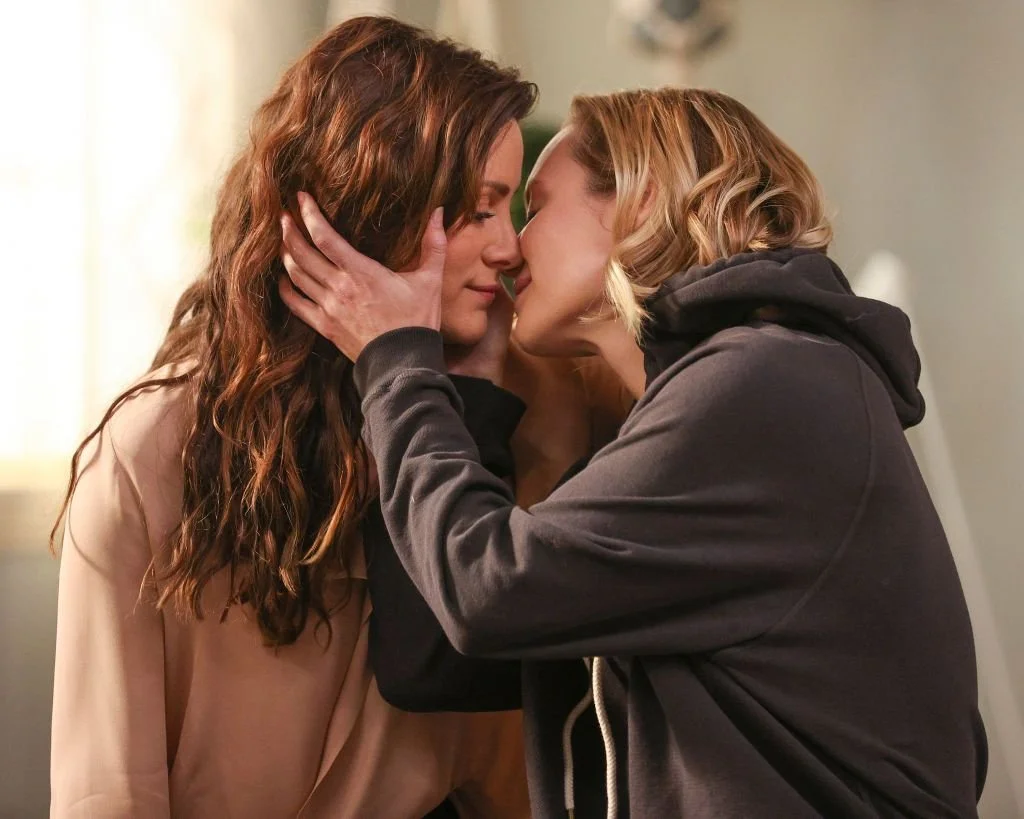
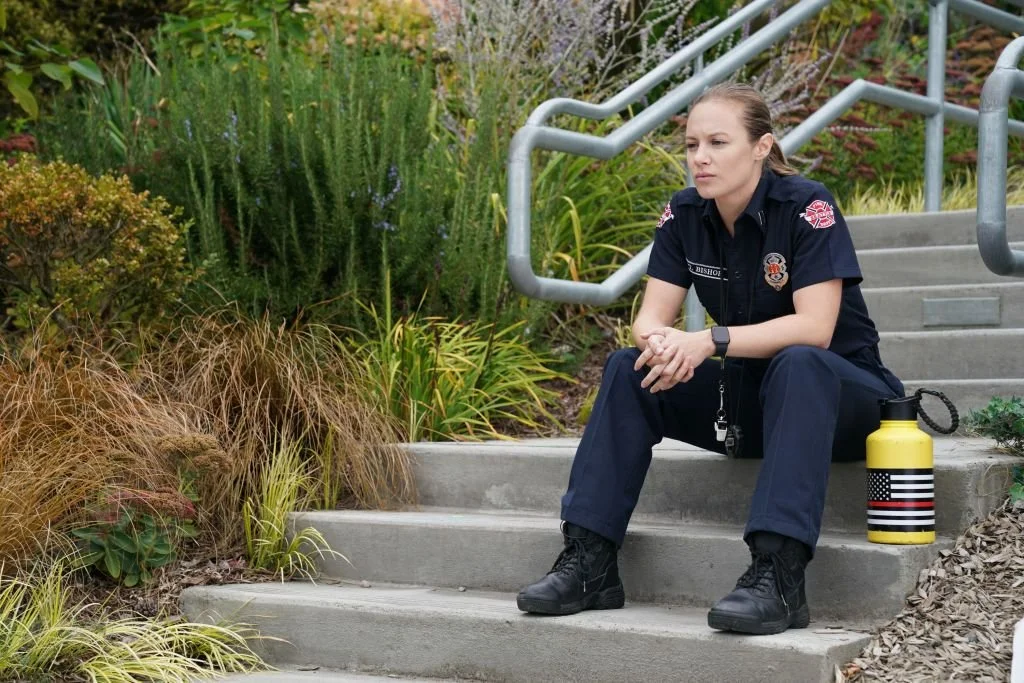
Throughout seven seasons of Station 19, Maya Bishop (Danielle Savre) went through several massive transformations: from being a firehouse lieutenant to becoming the captain, from being a single loner to becoming a married mom with a child, and by changing from someone who was hesitant to open up to others and fiercely protected her heart into a person who embraced love in all its forms. Growing up in a chaotic home with an emotionally abusive father, Maya had to let go of unhealthy coping mechanisms and find a way toward vulnerability in order to thrive.
For Ndila, a 31-year-old from Nairobi, Kenya, working in tech, Maya’s journey resonated deeply. Watching Station 19, Ndila — who, like Maya, is a masculine-presenting queer woman — was initially put off by the firefighter’s abrasiveness and competitive spirit until season six’s powerful therapy scenes revealed the fears and trauma behind Maya’s defensive attitude. As Maya learned to open up and love herself for who she was, so did Ndila.
I’ve always had a good idea about where I stand in the LGBTQ+ spectrum, but I didn’t always have the vocabulary to describe what I felt. As a kid, I knew there was something complicated about my identity that didn’t entirely fit into neat lines. I felt like I was on the periphery of masculinity. For example, when we played and had to pick roles like father, mother, son, or daughter, I never felt comfortable being put into the category of daughter or boxed in as mother.
I almost challenged those labels, but you can’t exactly challenge the norms when you live in Kenya. Growing up in this country, you’re given very rigid examples of what masculinity and femininity look like. You have to be this one or that one. There’s very little room to negotiate. I’ve long been drawn to women, but I felt like I had to be quiet about it.
I didn’t see much queer representation in day-to-day life or even on television (although I found that I had a soft spot for the few masc-presenting women I did see on TV). I went to an all-girls boarding school for high school, where I heard the word “lesbian” for the first time. It sounded like a disease, like leprosy or something like that. In school, there was always a running list of who was gay — you didn’t want to be on that list. By my sophomore year, I hadn’t had a crush on anyone or even had my first kiss. But because I was a tomboy who preferred to wear trousers in school, I was always on that list.
I didn’t leave my country until I went to college in California. As a masc-presenting woman, I found it difficult to navigate a heteronormative world without the shield of inherent femininity. I picked up some not-so-healthy ways to get by: building walls all around me, acting aggressive and competitive, not accepting help. One time, I refused to allow my femme partner to pay my airfare so I could resume college, so I ghosted her for two weeks. It’s very hard to be vulnerable enough to let intimacy in, especially when you perceive vulnerability as a weakness. You think, “If I’m vulnerable, are they going to feel like I owe them something, or will it compromise my safety?” It’s survival.
Looking back, I feel like I messed up some potentially good relationships because of all of that, those aspects of my unhealed inner trauma. Those coping mechanisms I developed over time. They served me for a while as I came into myself, but they hindered my growth and any semblance of a healthy relationship.
A few years ago, I was coming off a bad breakup and needed something to watch on TV that wasn’t too heavy. I saw a TikTok edit of a queer couple from Station 19 and thought, “All right, I’m all about that.” I started watching the show. The first time I met Maya Bishop, her look made me feel seen. I thought, “This is very cool.” But although I appreciated the representation, my first impression of her, honestly, wasn’t very good. I thought she was a bit standoffish and competitive but not in a healthy way. She built an armor around herself that worked in some ways — I mean, she made it to the Olympics, the epitome of human physical and mental performance — but she did it by convincing herself that for her to win, someone else had to lose. I wasn’t the biggest fan.
But in season six, that changed. Maya was in therapy, and the therapist had her do this exercise where she had to hug her inner child. In that moment, she realized that she was lovable, that she deserved love. Firefighting is a team sport, not an individual sport; your teammate needs to win for you to also win. Maya felt that if someone was being warm to her or showing love to her, like Carina, then it meant they had leverage over her. It wasn’t just expressing love for the sake of it. But you don’t get to define for someone else why they should love you — you just have to be vulnerable enough to accept what that looks like.
When I saw that scene, I felt more empathy for Maya and consequently myself as well. Her character changed from serving as representation to becoming a mirror. There were so many parallels to draw with my own life. Like Maya, I realized that the armor I’d built around me was not actually acting as armor anymore but was instead isolating me. I started understanding that to find love, you need to take the risk of being open with someone else. It’s not that you won’t get heartbroken anymore or take a couple of L’s, but if you’re vulnerable, you’ll also get so many wins.
The scene forced me to look into years of trauma and do the hard work. It helped me understand why some of my relationships ended. Like Maya, I’ve reframed my thinking around what wins and losses look like when you’re with someone. They belong to the unit, not just you. And you don’t have to earn anyone’s respect and love, whether it’s from your peers, your colleagues, or even your partner.
I’m not dating anyone right now, but I feel so much more confident in honoring all the parts of myself. I know these are the cards that have been dealt to me — they don’t make me a better human being or less than a human being compared to anyone else. I now look for avenues that force me to feel vulnerable, like therapy. Because being vulnerable and honoring your truth opens you up to possibilities you cannot even conceive.